AudienceMx - Article
Custom ICP-Based Content Plans: Align Every Post to Your Ideal Client
A reproducible process for mapping ideal customer profiles to content pillars and post sequences.

Intro
Creating content that consistently attracts the right leads begins with a precise understanding of who you serve. For content strategists, marketers, entrepreneurs, and sales professionals the difference between noise and pipeline often comes down to one repeatable process. This post introduces a reproducible approach for mapping ideal customer profiles to content pillars and post sequences so you publish posts that attract the right prospects. You will learn how to build a content plan that starts with the ideal customer profile and scales into weekly themes, post templates, and measurable experiments. The emphasis is practical. Each step maps to tools and features you can use today to speed drafting, keep a consistent voice, and ensure each post moves a prospect closer to conversation. If you manage content for a small to mid sized team or you are an independent professional building authority on the platform this guide will give you a roadmap to align messaging, cadence, and calls to action with predictable outcomes.
Why ICP-first content planning matters for professionals
When you focus on ICP and content plan development you remove guesswork from content strategy. Ideal customer profiles let you define who will find your posts valuable and why. They also make content creation faster because every idea is filtered through a clear audience lens. For LinkedIn professionals and entrepreneurs, that precision increases engagement quality and reduces time spent on low ROI posts. Learn more in our post on Weekly Content Planner Template for Busy Professionals.
ICP and content plan development connects marketing with sales by turning vague personas into actionable attributes. These attributes include firmographic details such as company size and industry, role based priorities like KPIs and common objections, behavioral signals such as training preferences and content consumption habits, and trigger events that indicate buying intent. When your content plan is built around those attributes you can craft hooks, stories, and offers that resonate on first read.
Finally, ICP and content plan development improves measurement. Instead of evaluating posts by vanity metrics you can track whether you are reaching accounts that match your ICP and whether engagement leads to valuable outcomes. That clarity helps you iterate faster and focus on sequences that generate meetings and pipeline. For professionals who value efficiency, this approach creates a direct line between content effort and business results.
Core components of a reproducible ICP to content plan process
Start by defining a compact, high signal ICP. Avoid overly broad definitions. Use a one page profile that captures the critical attributes that influence buying decisions. A strong ICP includes: Learn more in our post on How AI Raises the Value of Human Voice in Professional Content.
- Role and title primary decision makers and influencers
- Company attributes industry, typical revenue or headcount, business model
- Top priorities what outcomes they chase each quarter
- Pain points the specific problems they feel daily
- Buying triggers events that make them seek solutions
- Preferred content formats how they prefer to consume professional content
With that ICP on a single page you can move to the content pillar stage. Choose three to five pillars that align directly to ICP priorities. For example a marketing director at a B2B startup might care about demand generation, team efficiency, and scaling creative systems. Each pillar becomes a theme you publish on over a month. When you use ICP and content plan development these pillars are not generic topics. They are statements that reflect the language, challenges, and measurable outcomes your ICP cares about.
Next create post sequences for each pillar. A sequence is a mini funnel mapped to the awareness journey. Typical sequences include:
- Hook to capture attention using ICP language
- Context that identifies the problem and shows empathy
- Mechanics that explain how you solve or approach the issue
- Proof that demonstrates results or credibility
- Call to action that is specific and low friction
Sequences allow efficient reuse of formats and increase predictability. When you scale ICP and content plan development across multiple pillars you reduce creative friction and ensure every post has intent.
Step by step: Mapping your ICP to pillars and post sequences
Follow this reproducible workflow to transform a raw ICP into a quarterly content plan. Each step is designed for busy professionals who need speed and consistency. Learn more in our post on Headline Formulas to Increase Post Reach and Profile Views.
- Capture intel Interview current clients and prospects, review customer success notes, and audit past content performance. Extract words and phrases ICP uses to describe problems. Save 8 to 12 verbatim quotes.
- Create the one page ICP Consolidate the most predictive attributes. Keep it scannable. Use firmographics and behavioral signals as filters for topic selection.
- Define 3 to 5 pillars For each pillar write one sentence that explains why it matters to the ICP. Avoid buzzwords. Tie each pillar to a measurable outcome like reduced time to hire, increased pipeline, or lower churn.
- Design sequence templates For each pillar outline 4 to 6 post types that follow the awareness journey described earlier. Label each template so writers can repeat the structure quickly.
- Populate the calendar Use a monthly cadence that rotates pillars. Assign post types to dates and owners. Add rough hooks and target verbs for quick drafting.
- Draft and personalize Use AI assisted drafting to create first drafts. Personalize each draft with one or two insights from the ICP quotes to maintain authenticity.
- Measure and refine Track reach to accounts matching the ICP, engagement by role, and conversion actions such as meeting requests. Adjust pillars and sequences monthly based on signal strength.
Applying ICP and content plan development in this way gives you a repeatable cycle from research to publishable drafts. It reduces internal debate about topic selection and aligns every post to an outcome that matters to the buyer.
Template examples you can copy
Here are quick templates based on the sequence structure that professionals can adapt for platform posts. Each template references ICP language to keep resonance high.
- Insight hook Start with a surprising stat or micro case then link it to an ICP pain point. Example structure: "We reduced X by Y for a [ICP industry] company. Here is the simple change they made."
- Story problem Tell a short story about a person in the ICP role. Use a realistic scenario and then reveal the unexpected resolution.
- Quick win Offer a 3 step checklist or framing that the ICP can test within a week. Keep it tactical and measurable.
- Operational play Break down how to embed a practice into daily work. Include roles responsible and a 30 day timeline.
- Invitation End with a low friction action such as downloading a one page checklist, joining a short call, or requesting a template.
When you create drafts from these templates you will find productivity climbs because writers do not start with a blank page. They simply insert ICP language and adjust details for each pillar. This approach keeps voice consistent across authors and reduces the approval cycle.
From idea to execution: tools and systems that accelerate the process
Systems matter as much as strategy. If you want ICP and content plan development to be scalable you need templates, automation, and a single source of truth for your ICP assets. Use a shared workspace to store the one page ICP, pillar definitions, sequence templates, and creative assets. This reduces back and forth and makes onboarding faster for new contributors.
For drafting use features that speed iteration and personalization. A content generation tool that supports unlimited drafts, tone switching, and hook optimization allows you to produce multiple variations quickly. Combine that with calendar automation so approved posts can be scheduled into a cadence without manual copy and paste.
RAG backed content generation and the ability to upload PDFs and notes are particularly useful when your ICP language lives in recorded calls or customer success documentation. Those features let you build drafts that reference real client phrases and use cases. The result is content that reads like it came from someone who knows the buyer intimately.
Operationalize measurement. Instead of simply tracking likes and comments track the percentage of engaged accounts that match your ICP attributes and the downstream actions those accounts take. This might include profile visits from ICP roles, messages, scheduled calls, or demo requests. Use monthly reviews to identify which pillars and sequences are driving the highest quality interactions and double down on them.

Practical examples for common buyer personas
Below are three practical examples tailored to common buyers in the ICP. Each example shows a pillar, sample post sequence, and a measurable objective. Use these as starting points and adapt the language to match your own ICP quotes.
Persona 1: Marketing Director at a SaaS startup
Pillars: Demand generation playbooks, creative operations, and buyer enablement.
Sequence example for demand generation: Awareness post that identifies wasted ad spend, a how we diagnose post with a quick audit checklist, a case study showing improved CAC, and an offer to download a one page audit. Objective: 3 qualified conversations per month from companies with 50 to 250 employees.
Persona 2: Founder of a B2B consultancy
Pillars: Client acquisition, project scoping, and team hiring frameworks.
Sequence example for acquisition: Thought leadership post about pricing myths, a counterintuitive example from your practice, a small template to price a first engagement, and an invitation to a discovery session. Objective: One project scoping meeting per month that matches target revenue.
Persona 3: Head of Growth at a professional services firm
Pillars: Sales enablement, referral systems, and retention tactics.
Sequence example for referrals: Story about a referral that became a top client, a breakdown of the referral mechanics, a free referral email template, and a CTA to request a joint case study template. Objective: Two high quality introductions per quarter that match the ICP firmographics.
Scaling sequences across teams while keeping voice consistent
Scaling content production often leads to inconsistent tone and diluted messaging. The antidote is to separate structure from voice. When you codify sequence templates you give every writer a scaffold. Then maintain voice with a precision writing interface and one click tone improvement tools. This combination reduces editing time and keeps brand voice uniform across contributors.
To preserve authenticity include short ICP quotes in the template cards so every author can plant real language into the draft. A simple rule is to use at least one ICP verbatim phrase in each post. That rule reminds writers to speak the buyer language rather than generic marketing copy. It also increases perceived relevance and trust.
Use content calendars that automate pillar rotation. For example set the calendar to rotate pillars weekly so every pillar receives attention each month. When combined with sequence templates and automated scheduling you transform a manual publishing process into a steady engine that produces predictable outcomes aligned with ICP priorities.
How to measure success and iterate with data
Measurement for ICP and content plan development should focus on quality of engagement and funnel progression. Start with these three metrics:
- ICP reach percentage of unique viewers who match your ICP attributes
- ICP engagement rate of likes comments and messages from ICP roles
- ICP conversion number of meetings demo requests or qualified enquiries from ICP accounts
Use monthly cohorts to compare pillar performance. Track which pillars send the highest percentage of ICP traffic to your profile and which lead to conversion actions. Then run controlled experiments where you change one variable at a time such as hook length, CTA specificity, or post timing. ICP and content plan development is most effective when you combine qualitative feedback from conversations with quantitative signals from these metrics.
Examples of experiments to run include:
- Swap the CTA for a soft resource versus a direct meeting ask and compare conversion within 30 days
- Test two hook styles one using a surprising stat and the other using a personal anecdote to see which draws more ICP messages
- Try different posting cadences to find the sweet spot between visibility and fatigue for your ICP
Record experiment outcomes in your shared workspace. Over time you will compile a field guide of hooks and post types that perform for your ICP. That guide becomes your secret weapon for fast drafting and reliable pipeline generation.

Common objections and how to address them
When selling or implementing ICP and content plan development you will face predictable objections. Below are common ones and concise responses that you can use with stakeholders.
Objection: We do not have time to build an ICP
Response: Build a lightweight one page ICP in a single afternoon by interviewing two top clients and scanning recent win notes. You only need the high signal attributes to start. The ICP is a living document and will improve with usage.
Objection: Our content needs to appeal to everyone
Response: Broad content attracts broad attention but rarely converts. By focusing on the highest value segment you will increase the relevance of each post and attract fewer unqualified leads. You can always maintain a small number of general posts for brand reach while the bulk of your sequence targets the ICP.
Objection: We cannot measure direct revenue from content
Response: Track ICP reach, ICP engagement, and ICP conversion as proxy metrics. Use short call to action items that are measurable, such as resource downloads or meeting bookings, and attribute those actions back to pillar and sequence. Over time you will see correlated pipeline increases.
Objection: Our team struggles to keep a consistent voice
Response: Implement sequence templates and a precision writing interface. Use a one click tone improvement workflow and require each draft to include at least one ICP quote. This reduces editing load and keeps messaging coherent across authors.
How AudienceMx accelerates your ICP to content plan workflow
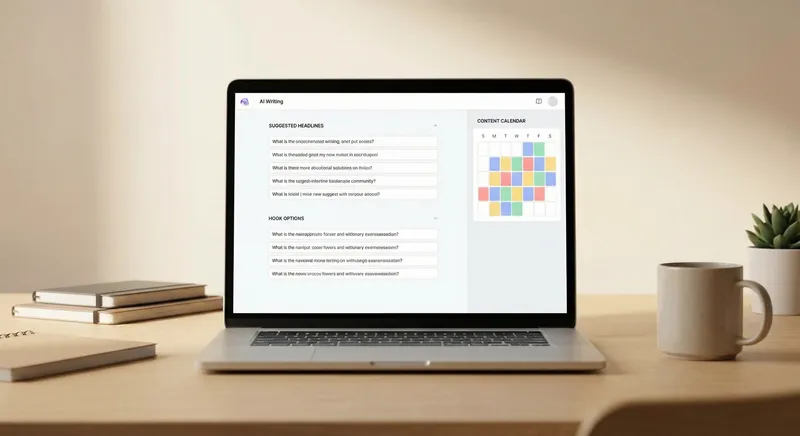
AudienceMx is designed for the professionals and teams that need to implement ICP and content plan development quickly. The platform provides unlimited AI writing and editing which removes the tedious parts of drafting. Use the content ideas generator to turn one ICP insight into a month of pillar aligned topics in minutes. Personalized post generation adapts each draft to the exact voice and length you need.
Key features that support ICP and content plan development include:
- Personalized content plan creation that translates a one page ICP into pillar recommendations and a calendar
- Unlimited drafts so you can iterate on voice and hooks without limits
- Upload PDFs and notes for RAG backed content so generated drafts reflect real client conversations
- One click tone improvement and enhanced hook creation to keep voice consistent across contributors
- Content calendar automation to schedule and rotate pillars without manual work
These features reduce the time to first publish and make it simple to scale ICP and content plan development across teams of any size. Instead of spending weeks aligning on topics you can create a pilot plan in a single day and begin testing.
Actionable checklist to start today
Use this short checklist to kick off your own ICP and content plan development process this week. Each item is designed to be completed in a single session so you see rapid progress.
- Schedule two 30 minute interviews with current clients who represent your highest value segment
- Create a one page ICP capturing role priorities and three verbatim quotes
- Define three pillars tied to measurable outcomes for that ICP
- Draft four sequence templates and assign them to a monthly calendar rotation
- Use AI assisted drafting to produce a week of posts and personalize with one ICP quote per post
- Publish, track ICP reach and engagement, and run a simple A B test on hook style
Conclusion
ICP and content plan development is the foundation for predictable content that converts. When you start with a focused one page profile and translate it into pillars and repeatable sequences you unlock efficiency and relevance. Professionals who adopt this approach find they spend less time ideating and more time engaging with prospects who matter. The process reduces friction because it turns strategic decisions into templates that anyone on your team can apply. It also makes measurement practical by narrowing the set of metrics that indicate real progress.
For teams and solo professionals, the value is immediate. You spend less time debating whether a topic is on brand and more time creating posts that drive action. As you iterate you will build a field tested library of hooks and sequences that reliably engage your ICP. That library becomes your growth engine because it produces high quality leads on a consistent schedule.
AudienceMx is built to accelerate every step of this process. Use the platform to generate pillar aligned ideas, produce unlimited drafts, and automate calendar rotation. Upload client notes or case materials to ensure your content reflects real client language. Use one click tone adjustments to keep voice consistent, and measure ICP reach and conversion so you can iterate quickly. If you are ready to transform content from a guessing game into a predictable channel for qualified leads start by building a one page ICP today, then use the tools that let you scale it with speed and precision.
Take the next step. Create your one page ICP, generate a month of pillar aligned posts, and schedule them with automation. If you need a fast way to move from strategy to publishable drafts try AudienceMx to accelerate drafting, improve hooks, and keep your voice consistent across every post. The right process plus the right tools will make your content the pathway to meetings and new clients.